
Life keeps moving under your feet. Some of us choose to leave home and start again somewhere new, for the chance at something better. It is a big step, and it tests a lot of things. It tests your confidence first of all.
“No matter where we go, we carry our heart and mind with us.” I like this line. Wherever you land, the person you are comes with you. Your values, your beliefs, the core of who you are. That part does not get left at the airport.
Living abroad shows you other ways to live. It pushes against what you thought you knew. And, in time, it can make you more confident and more creative than you were before.
Why Confidence Matters So Much Abroad
Confidence is not only a feeling. It is what gives you the courage to walk into a situation you do not understand yet. It helps you cope with a new culture, a new language, a new everything, and still stay yourself.
The hard parts are real: a language you are still learning, customs you do not know, the way things are simply done differently here. It can feel like too much. But this is also where you grow. You face one hard thing, you get through it, and you start to see yourself a bit differently.
Why It Is Hard, and Why You Feel This Way
It does not matter why you moved. A job, love, an adventure, all of it counts. The hard part is leaving what you knew. That can feel like losing a piece of yourself. When everything around you is new, it is easy to feel lost, and that shakes your confidence.
Feeling alone and unsure. Even if you love to travel, even if you speak the language, being the one from somewhere else can make you doubt yourself. You feel different from the people around you. And when you feel different, you want to hide instead of showing who you really are.
Feeling out of place. Sometimes you just do not feel like you fit, because of how you look or how you act. That makes meeting new people scary. And it is hard to feel good about yourself when you are afraid to be yourself.
Charlie Houpert, who wrote “Charisma on Command,” talks about three things that matter for a good life: self-confidence, self-efficacy, and self-esteem. They sound similar, but they are not the same. Here is how I understand them.
Self-efficacy. This comes from the psychologist Albert Bandura. It is about believing you can do a specific thing. If you think you can cook dinner or finish a project, your self-efficacy is strong. People who do not believe they can do something often do not try as hard, so they are more likely to fall short. This matters when you hit cognitive dissonance, which I wrote about before: the tug-of-war you feel when two beliefs clash. It comes up a lot when you are settling into a new country. If you believe you can handle it, you face it head on, and that makes you more adaptable.
Self-confidence. Bandura says this is about how sure you are that you can reach a goal, based on what you have already done. Practise the piano a lot, and you feel surer you can play. It also covers how much you think you will fit in with a group. If people once laughed at a hobby of yours, you might feel nervous bringing it up again. Both self-confidence and self-efficacy come from your experiences, but confidence is the bigger picture of how you see yourself, not just one task.
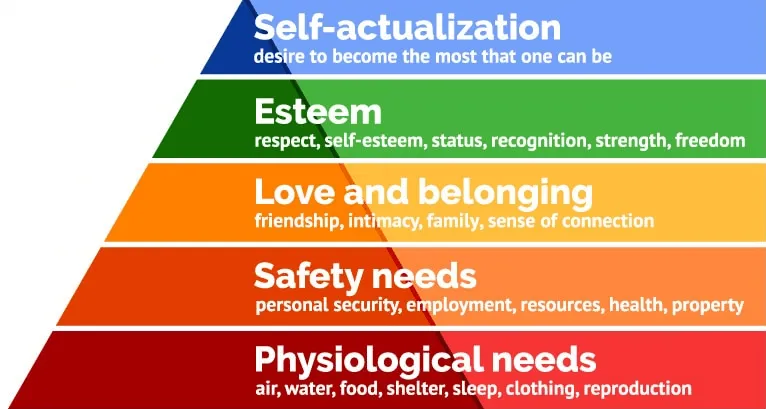
Self-esteem. People mix this up with confidence, but it is different. Self-esteem is how much you value yourself. Saying “I am a good person” is self-esteem. In Maslow’s Hierarchy of Needs it sits near the top, the last step before becoming the fullest version of yourself. Put simply, to really become your best, you need self-respect, self-love, and trust in your own ability.
These are not just nice words. They are the parts of you that living abroad can build up. When you find your way around a foreign country, sort out problems on the spot, and put a new life together from nothing, you are not just getting by. You are doing well. That builds a deep confidence in yourself and your choices, and it makes the next hard thing less frightening.
What Actually Helps
Living somewhere new is hard, but it is also a chance to learn and grow. Everyone feels unsure sometimes. There are things that help, and you are not alone in this. Here is what I have seen work.
Join a group or club. Find a community of other newcomers or locals who share your interests. People who get it can give you real support, and swapping stories with them does a lot for your confidence.
Try new things. It helps you work out what you enjoy, and it feels good to discover that about yourself.
Notice what is the same and what is different. One of the best parts of living abroad is seeing how alike and how different people can be. It is not just interesting in your head. It is personal. It makes you question your own assumptions and try out new ideas, and that opens up your creativity in ways you did not expect.
Know who you are. Moving away can make you question yourself. You might feel strong at home but unsure in a new place, because you miss the familiar things that remind you who you are. Remember this is your life. Enjoy what you love about the new place, and do not feel bad about it. Do the things you never had time for before. That is how you feel sure of yourself again.
Give it time. Learning everything fresh in a new country is hard. Simple things, like seeing a doctor or catching a bus, can feel like too much at first. That is enough to make anyone anxious and full of doubt. Be kind to yourself. Learning takes time. One step at a time. Trust that you will get the hang of it.
Do not compare yourself. Everyone shows their best side online, and even in person. Do not decide you are less because of what you see on social media or at a party.
Stay positive. Your thoughts shape how things feel. A bit of mindfulness and positive thinking goes a long way against self-doubt. Mark your wins, however small. Spend time with people who make you feel good about yourself, and steer clear of the ones who make you feel small.
Take on the challenge. Treat each hard thing as a chance to grow. We build strength by getting through difficult moments. Every small win, learning a few new phrases or finally working out the local buses, gives your confidence a lift.
Keep your old connections too. Yes, throw yourself into the new culture. But staying in touch with where you come from gives you something steady to stand on. Regular calls with family and friends, keeping your own holidays, cooking a meal from home, all of it reminds you of who you are and what you value. Holding both the new and the familiar at once is what makes belonging feel real. When you stay grounded in your own values and still stay open to the new place, you build a sense of belonging that is truly yours. It eases the loneliness, and it changes how you connect with both your old and your new communities for the better.
Set goals. Give yourself small goals that build towards bigger ones. Learning the language, building a local network, whatever it is. Reaching them gives you that sense of “I did it,” and a lift in confidence.
Be kind to yourself. Last of all, go easy on yourself. Moving and settling into a new country is a huge thing to take on. Give yourself credit for being brave enough to do it, and give yourself time to adjust.
Making It Work for You
Living abroad gives you a chance to grow that not much else does. It challenges you, it changes you, and in the end it makes your life richer in ways you could not have guessed.
Confidence lets you meet what comes with a bit of hope and a bit of grit. It reminds you that even when everything around you changes, your core, the heart and mind you carry with you, stays the same. That inner steadiness is what lets you do well, wherever in the world you end up. Go into this with confidence. You already have what you need to make it good. Every step, however small, makes you a little more creative, a little more sure of yourself, a little more open to others. The world is waiting for you.

A quiet sunrise over a foggy valley, with mountains and a river. New Zealand at its best.