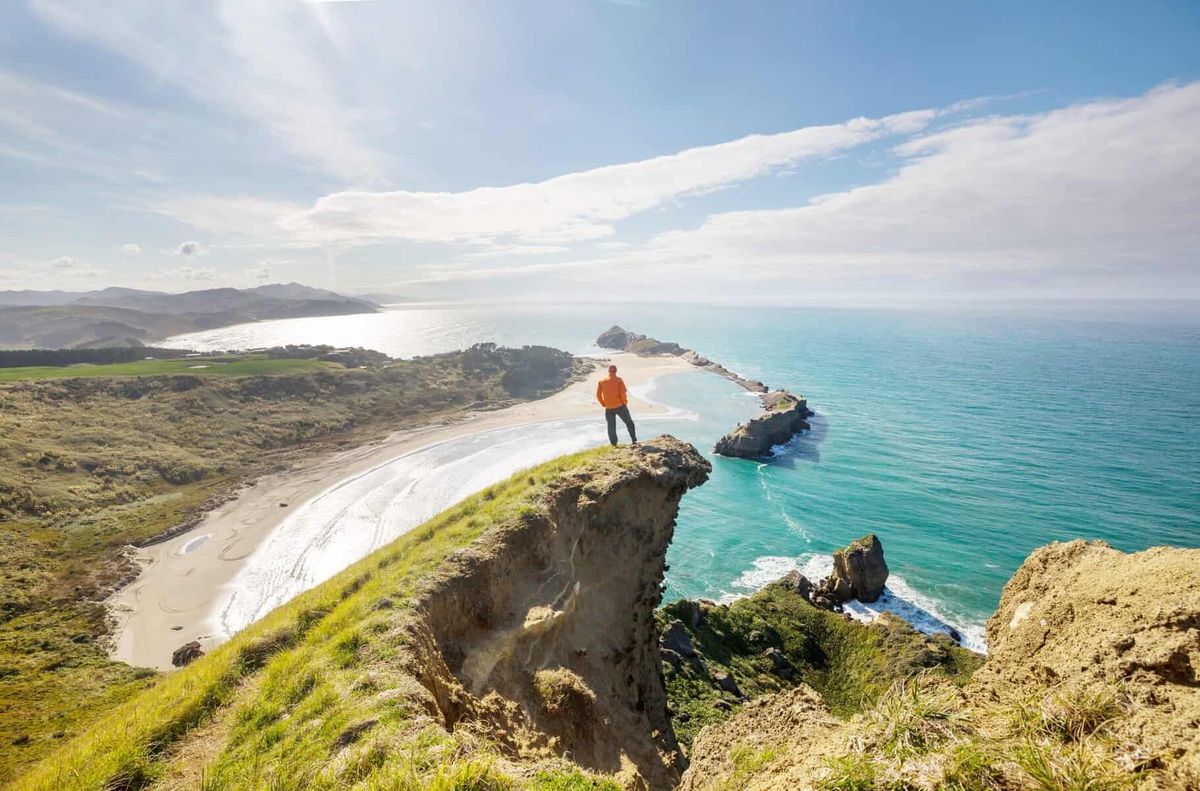
Some people land in Australia or New Zealand and assume the sensible move is Sydney, Melbourne, Auckland, Brisbane, or maybe Christchurch. I understand why, but I also know that some people breathe better when the place around them is smaller, slower, and a little less impressed with itself.
Why do quieter places stay with you?
When we moved across the world as a family, I learned quickly that “where should I live?” is not the same question as “where would I like to visit?”
A beautiful holiday town can become lonely in winter. A city with every job advert in the country can feel too loud for your nervous system. A place that looks too quiet on paper can become the first place where you sleep properly.
That is why I keep coming back to this idea of where to actually live, not visit. The good answer is rarely the most glamorous one. It is the one that fits your work, your family, your budget, your weather tolerance, and the kind of Sunday afternoon you can repeat for years.
Central Otago and Tasmania sit on opposite sides of the Tasman, but they have something in common. They do not try very hard to convince you. They just wait. Then, if you are the right kind of person, they quietly get under your skin.
What is it about Central Otago?
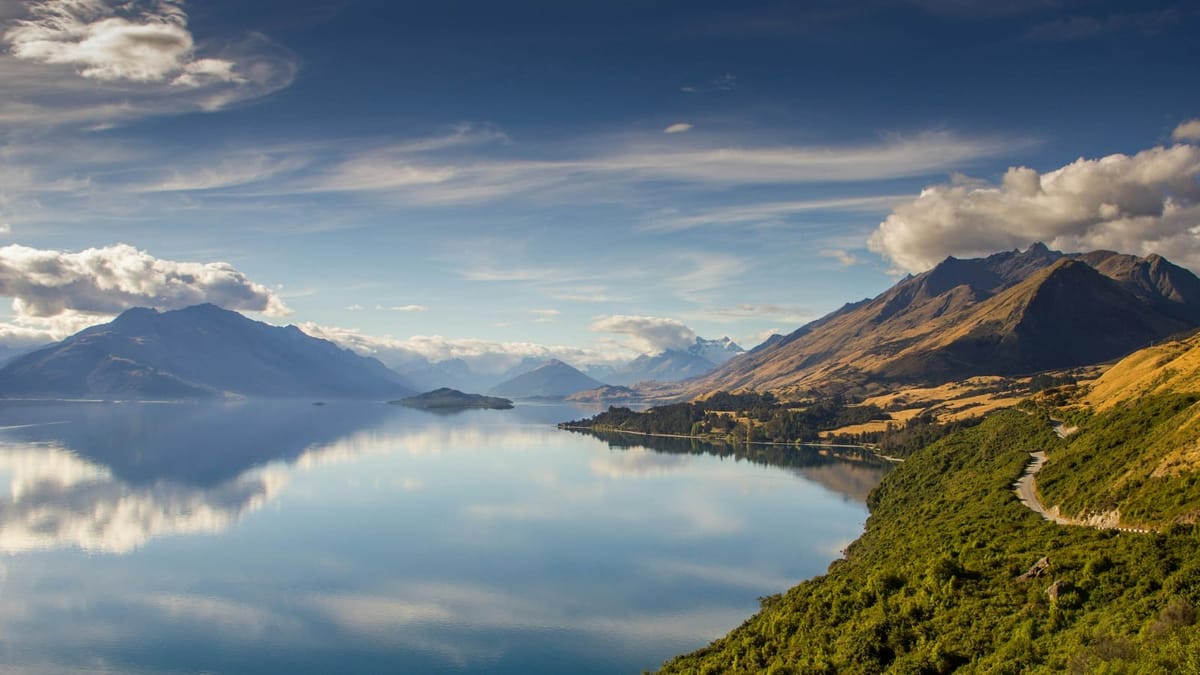
Central Otago is not the New Zealand of lush green postcards. It is drier, rougher, more golden. The hills look sunburnt in summer. The winters are real. The lakes can be so still that you feel slightly rude speaking beside them.
Wanaka gets most of the attention now, and yes, it is beautiful. But the wider Queenstown hinterland, Cromwell, Alexandra, Clyde, Arrowtown, and the small places between them have their own rhythm. Stone fruit. Vineyards. Pinot noir. Frosty mornings. Hot, bright afternoons. Mountain shadows that make you look up from whatever problem you thought was urgent.
It is not an easy place in the way people sometimes imagine New Zealand to be easy. Winters can test you. Housing can be tight in the popular pockets. Work depends heavily on what you do, who you know, and how flexible you can be. If your idea of comfort is late-night shopping, endless restaurants, and a large job market around every corner, Central Otago may frustrate you.
But if you like space, seasons, walking, driving through open country, and knowing the name of the person who makes your coffee, it may start to make sense.
Sam Neill understood something about that landscape. He could have chosen many places, but he planted himself in Central Otago, among vineyards and dry hills and the kind of quiet that is not empty at all. I wrote my tribute to Sam Neill because his choice felt familiar to me, not because I knew him, but because I recognised the pull of a place that does not need to shout.
And what about Tasmania?
Tasmania is different, but the feeling is related.
It is Australia, but not the Australia many people picture first. It is cooler. Slower. More weathered around the edges. Hobart has a harbour, hills, old sandstone, good coffee, and a scale that lets you learn its shape. You can go to MONA and feel confused in a good way, then eat something local, drink something made nearby, and still be home before the evening disappears.
Outside Hobart, the island opens into coastline, bush, farms, rivers, and small towns with strong opinions about weather and produce. Tasmania has a serious food-and-drink scene, not in a polished big-city way, but in a grounded one. Apples, cheese, whisky, seafood, wine, markets, bakeries you remember later.
For people who find Sydney or Melbourne too expensive, too fast, or too stretched out, Tasmania can feel like a deep breath. I say “can” carefully. It is not automatically easy. It is not automatically cheap in every pocket. It is not a secret escape hatch where life suddenly costs nothing and work appears neatly on Monday morning.
But compared with the biggest mainland cities, many people look at Tasmania because they want more space, more calm, and a daily life that does not involve spending half the week in traffic or noise. That is a valid reason to move. It is not less ambitious. Sometimes it is more honest.
Who might love these places?
You might love Central Otago or Tasmania if you are not trying to recreate Budapest, London, Singapore, or Sydney in another country.
You might love them if you enjoy the outdoors in an ordinary, repeated way. Not just one big hike for Instagram, but the kind of life where you walk after dinner, keep a jacket by the door, notice when the light changes, and are not angry when the weather has a personality.
You might love them if your work is portable, regional, practical, health-related, trade-based, agricultural, hospitality-linked, education-linked, or simply flexible enough to meet the place halfway. That last part matters. Quiet places do not always bend themselves around your CV.
You might love them if you want your children, if you have children, to grow up with more room. More mud. More independence. More boredom too, which I do not think is always a bad thing.
And you might love them if you are tired of proving something.
Not everyone moves abroad to climb faster. Some people move because they want to live slower, and to be less divided inside themselves.
What are the trade-offs?
This is the part I would never skip.
Quiet places ask something of you.
The job market is smaller. There may be fewer employers in your field, fewer specialist roles, fewer “backup plans” if one workplace does not work out. If you are used to a big city, that can feel risky.
Distance is real. In Central Otago, getting to larger services or international flights can take planning. In Tasmania, you are on an island, and although that is part of the beauty, it also means you think about freight, flights, family visits, and timing differently.
Social life can take time. Smaller communities are often friendly, but they are not always instantly open. People may already have their circles. You have to show up, join things, volunteer, walk the same route, buy from the same stall, say hello more than once.
You also have to like your own company. Not every weekend will be full. Not every season will be easy. The romance of a quiet place wears thin if you secretly need constant stimulation.
And you have to like the outdoors at least a little. In these places, nature is not background decoration. It is the main event. If you do not enjoy weather, distance, walking shoes, lake edges, bush tracks, cold mornings, or wind that rearranges your plans, think carefully.
So why do people still fall for them?
Because quiet can be generous.
Central Otago gives you light, space, wine country, old gold towns, mountains, and a sense of being held by the landscape rather than entertained by it.
Tasmania gives you coastline, food, art, bush, Hobart’s human scale, and that island feeling of being slightly apart from the mainland rush.
Neither place is perfect. That is not a flaw. It is the point.
When people ask me about moving across the Tasman, I often hear the city names first. That is sensible. Jobs, schools, visas, family needs, and practical details matter. They matter a lot.
But once the practical questions are on the table, I like to ask the quieter question too.
What kind of life are you actually trying to build?
Not the holiday version. Not the glossy version. The Tuesday morning version. The winter version. The version where you have groceries to buy, emails to answer, children to collect, a sore back, a favourite bakery, and a view you might still notice after three years.
For some people, that life is in a big city.
For others, it may be among the dry golden hills of Central Otago, or on the cooler, wilder edge of Tasmania.
Quiet places are not for everyone. But if they are for you, they can be hard to leave.
Suzanne