When people plan a move across the Tasman, they usually think about visas, jobs, schools, rent, and whether the family will cope with being far from home. They do not always think about the small health habits that change without anyone making a dramatic decision.
What changes without you noticing?
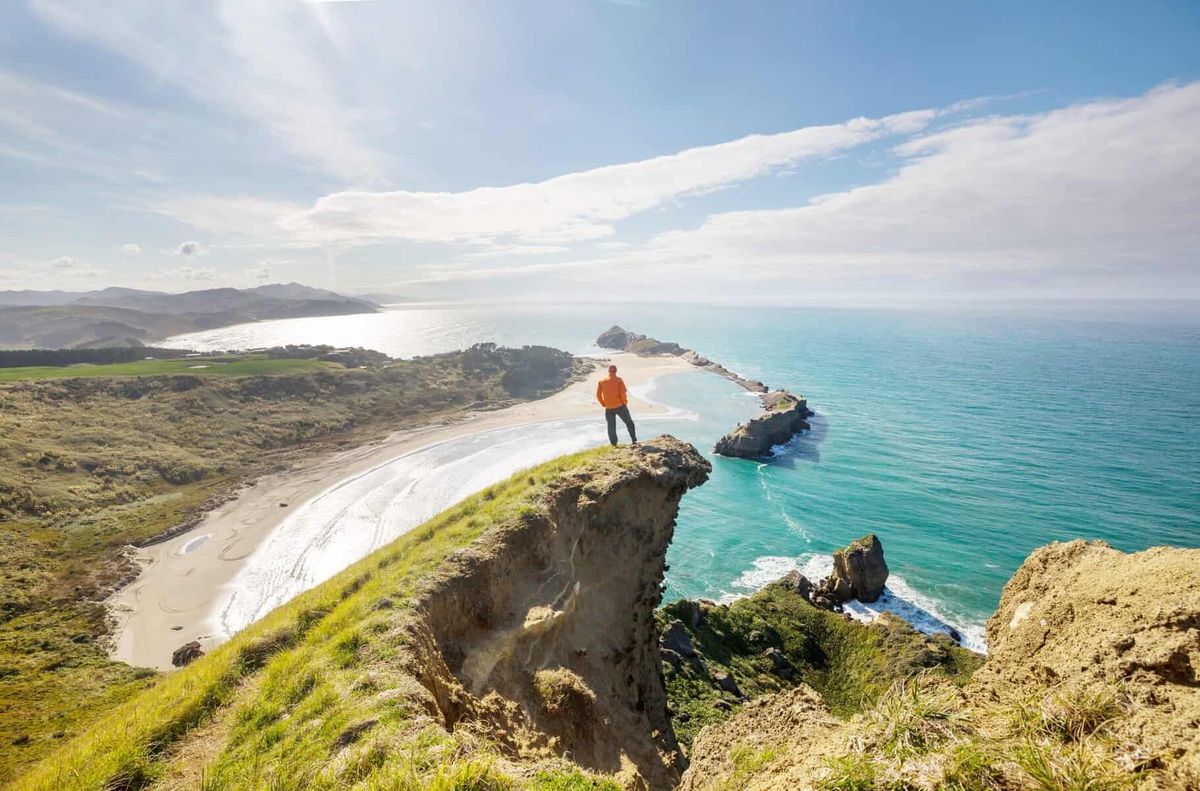
One of the first things I noticed after moving to New Zealand was how much life happened outside.
Not in a heroic way. Not everyone is climbing mountains before breakfast. But the ordinary rhythm is different.
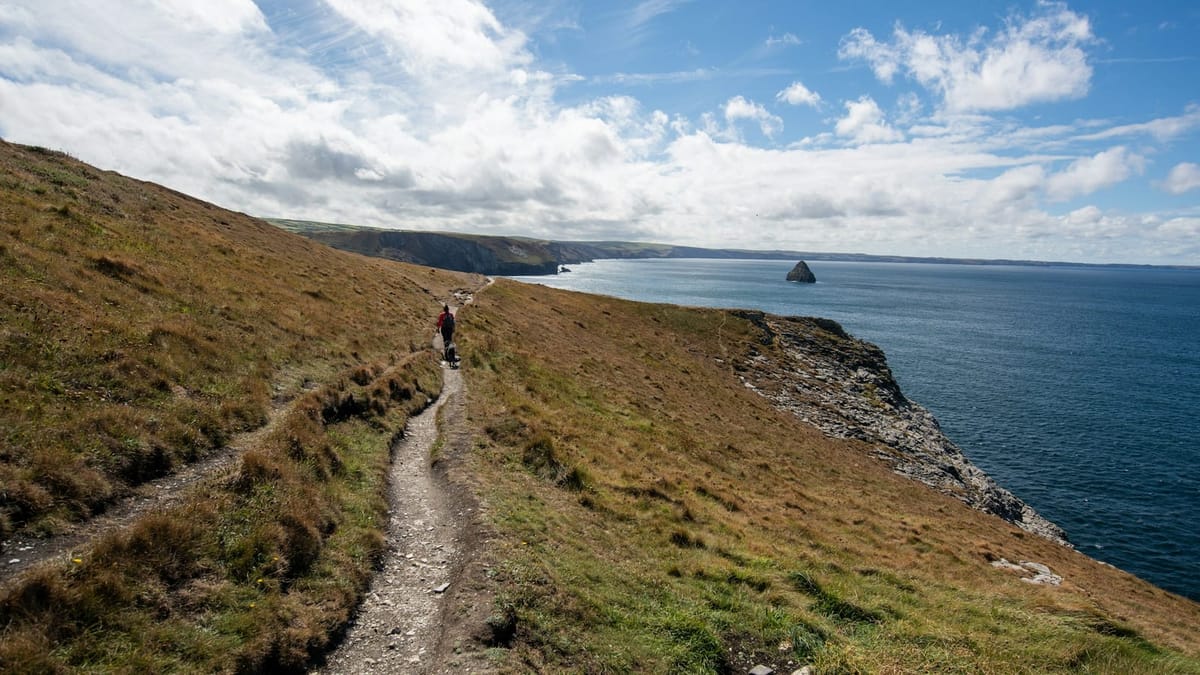
You walk to the beach after work. You take the children to a playground and somehow stay longer because the view is too good to leave. In Australia, a weekend can become a swim, a coastal walk, a barbecue, or children running barefoot on grass while adults stand around with coffee. In New Zealand, it might be a bush walk, a lake, a school sports field, or simply a windy path where everyone comes home with red cheeks.
The outdoors is not a special event as often as it is in Europe. It is just there.
That matters. When movement is built into normal life, you do not need to label everything as exercise. You park a bit further away. You walk the dog more often. You go outside because the light is beautiful, or because your children need to burn energy, or because the house feels too small on a rainy Saturday.
Across the Tasman, health can arrive quietly, in shoes by the door and sunscreen in the bag.
Why does the climate help?
This depends very much on where you live. Brisbane is not Dunedin. Perth is not Wellington. Auckland is not Hobart.
Still, compared with many parts of Europe, both Australia and New Zealand can make it easier to be outside for more of the year. Long daylight in the warmer months changes what you do after work. A mild evening makes a walk feel possible. Even a short beach visit after school can shift the mood of a whole family.
In Australia, I see how outdoor life becomes almost automatic in many places. Swimming lessons, weekend sport, early morning walks, people cycling before the heat sets in. In New Zealand, the weather can be moodier, but the landscapes are closer to everyday life in a way that still pulls you out. You do not need a big holiday to feel nature around you.
I wrote more about the ordinary texture of New Zealand life here, in what New Zealand is really like to live in, because the postcard version misses the point. The real health benefit is not that every day is perfect. It is that your normal week can include more air, more light, and more movement.
That is not nothing.
What about sport?
Sport is woven into both countries in a very easy, everyday way.
Children often try several activities. Adults join social teams. People talk about weekend games at work. Parks are used. School fields are used. Beaches are used. You see people of many ages moving, badly or beautifully, and no one seems especially shocked by either.
I like that.
You do not have to become an athlete. I certainly did not move countries and suddenly turn into one. But when sport is normal around you, it lowers the barrier. You might say yes to a walk. Your child might try netball, football, rugby, swimming, cricket, gymnastics, surf lifesaving, rowing, or something you had never even heard of before.
The point is not performance. The point is participation.
There is something healthy about being in places where bodies are allowed to move in public without it feeling like a project. You can be a beginner. You can be slow. You can wear the wrong shoes once and learn.
Does food get easier?
Sometimes, yes.
Australia and New Zealand both have access to beautiful fresh food. Good fruit, vegetables, seafood, dairy, meat, bread, and cafe food are part of everyday life in many places. In cities, it is not hard to find decent coffee, fresh lunches, farmers markets, Asian groceries, Mediterranean ingredients, and healthier takeaway options.
There is also a daytime rhythm I appreciate. In many city areas, coffee culture is strong, but it does not always mean sitting indoors drinking alcohol late into the evening. Meeting for a walk and a coffee can feel very normal. So can stopping for a flat white after school drop-off, then getting on with the day.
That said, fresh food is not automatically cheap.
If you live on an island, far from a major city, or in a regional area with fewer shops, the price and choice can feel very different. Some families arrive expecting a healthier diet to be effortless, then realise the weekly shop needs planning. Seasonal food helps. Local markets can help. Cooking at home helps. But money matters, and it is not honest to pretend otherwise.
Healthy habits are easier when they fit your budget. That is true in Budapest, Brisbane, Auckland, Christchurch, and everywhere in between.
Where does the sun become a real risk?
This is the part I would never soften.
Australia has one of the highest rates of skin cancer in the world, and the sun is not just a lifestyle detail. It is a genuine health risk. Sun protection becomes a daily habit, especially for families with children.
You learn to check the UV, not just the temperature. You keep hats in the car. You use sunscreen properly. You look for shade. You understand that a cloudy day can still catch you out.
If you are moving from Europe, this can feel surprisingly strict at first. Then it becomes normal. Schools and childcare centres often take sun protection seriously, and parents quickly learn the routine.
For practical guidance, I would trust Cancer Council Australia rather than casual advice from someone at a barbecue. The sun here deserves respect, not panic, and not guesswork.
New Zealand also has strong UV and outdoor exposure to think about, especially because the air can feel cooler while the sun is still harsh. That combination can trick you. You are not hot, so you forget you are burning.
Across the Tasman, the outdoors is one of the great gifts. It also asks something from you.
What are the less pretty health habits?
There is a heavy drinking culture in both countries. It is not everywhere, and it is not everyone, but it exists.
You may notice it around sport, workplaces, barbecues, weekends, student life, or rural communities. If you are not a big drinker, you can absolutely find your people. Still, it can take a little time to build a social life that does not revolve around alcohol.
I think this is worth saying because many migration stories focus on clean air, beaches, and happy children. Those things can be real. So can loneliness, stress, and drinking more than you meant to because it is easy, social, and accepted.
The healthier life does not happen by magic. The environment can nudge you, but you still choose your routines.
What about doctors and houses?
This is where daily health becomes very practical.
In rural Australia and rural New Zealand, distances can be long. Getting to a GP, specialist, dentist, or allied health service may take planning. In some places, appointments can be hard to find quickly. If you have a chronic condition, young children, pregnancy plans, or regular medication, I would think carefully about location before falling in love with a view.
In New Zealand, housing is another honest catch. Cold, damp, poorly insulated homes are a real winter health issue. I have felt this personally. A house can look charming in summer and then become a completely different place in July.
You learn to ask different questions. Is it dry? Is there proper heating? Does it get sun? Is there mould? How does it feel in the morning? Not glamorous questions, but important ones.
Australia has its own housing-health issues too, especially heat, bushfire smoke in some areas, and long commutes that quietly eat into sleep and family time. Different country, different pressure points.
So, does life across the Tasman make you healthier?
It can.
Not because Australia or New Zealand are magic. They are not. But both countries can make certain healthy choices feel more normal. Outside is closer. Sport is ordinary. Daylight pulls you out. Coffee can replace a late-night drink. Fresh food is often good, even when it is not always cheap.
The catches are real too. The sun needs respect. Drinking culture can be heavy. Rural healthcare can be stretched by distance. New Zealand winters can be hard on the body if the house is cold and damp.
If you are weighing a move, I would not put “health” in a glossy brochure category. I would put it in the daily-life category.
Where will you walk? What will your children do after school? How far is the doctor? Can you afford the food you want to eat? Will the house be warm enough in winter, or cool enough in summer? Who will you have coffee with when the first lonely month arrives?
These small things become the life.
And sometimes, quietly, they become your health too.
Suzanne