Andi’s move to New Zealand started, of all places, with a YouTube series about tiny houses.
“I was pregnant with our son, Albert, and I came across Living Big in a Tiny House,” she told me. “They interview people all over the world who live in unusual small homes, and a lot of the episodes were filmed in New Zealand. Watching it, I felt, that’s the kind of life I want.” She showed her husband, Matyi, and discovered something she hadn’t known in years of marriage: he’d been quietly dreaming of New Zealand for fifteen or twenty years. It had simply never come up.
At the same time, the mood at home in Hungary was getting heavier, and Andi realised she couldn’t picture staying for the long term. That’s when they found me. A colleague and I had run an interactive online session introducing the country, and afterwards they asked for a one-on-one. From there, as Andi puts it, everything sped up, “in what felt like no time, we were already in New Zealand.”
The myth worth dismantling
There’s a belief I hear constantly, and Andi named it better than I usually do: that you can only move to New Zealand with a large pile of savings and flawless English.
You can’t reduce it to those two things. Matyi works in software development, a genuinely in-demand field, which mattered. But the harder truth is the one Andi keeps coming back to: “The biggest obstacle is that people can’t let go of the values and the mindset they grew up with. The key is being able to adapt, not trying to live the same life in a different place.”
The English will come. Andi’s was a work in progress when they arrived, and Kiwi English, with its slang, threw her more than she expected. It still worked out. What doesn’t work is arriving determined to keep everything exactly as it was.
When the door is only open for a moment
Their timing was unusually lucky, and I want to be honest that it was partly luck. When New Zealand reopened after Covid, there was a one-year visa for people in high-demand professions that let them reach residence far faster than the normal route, a path that for others can take many years. Matyi qualified. After two interviews he had a job offer the next day, and with the visa deadline only about six weeks out, they bought their tickets and Andi sold almost everything they owned in two months.
I’d warned them it usually isn’t that smooth, that the process often runs for months, and that being hired from abroad is rare. Theirs was a fortunate case, and a fast one. Not every story moves at that speed, and I’d rather you hear that from me than be surprised by it.
What they found when they landed
The thing that struck Andi first wasn’t the scenery, it was the people. Neighbours helped without being asked: lent them a car until they got their own, brought furniture, toys, even food, all of it free. At the playground, parents ran around barefoot and played with their kids, relaxed in a way she hadn’t seen before. Within a week or two she’d taken her own shoes off and was on the swings with Albert.
“That change affected our relationship too,” she said. “We both became more relaxed, more free.” It wasn’t effortless, they sought out a professional to help them rebuild how they worked as a couple under the strain of a move this big. The honest version of these stories always includes that part.
The detail that stayed with me most is about Albert, who is sensory-sensitive. “In every institution, the first thing they ask is what they can do to make him more comfortable, and what he needs,” Andi said. “It’s not that they tell you what you’re doing wrong. They explain how they usually do things, then ask if you can fit with that, and what they can do to make it easier for you.” The specialist who sees him for movement therapy, she added, goes well beyond what the role requires. For a parent, that’s not a small thing. It might be the whole thing.
A slower, fuller life
Two years in, they’re deliberately slowing down. Weekends are the garden, hikes with the dog, baking, the terrace in the sun, birdsong. Matyi took up the drums, something he’d always wanted to do and never had. Andi got into extreme biking. They’ve cut down screens, don’t own a television, and try to live by the sunrise.
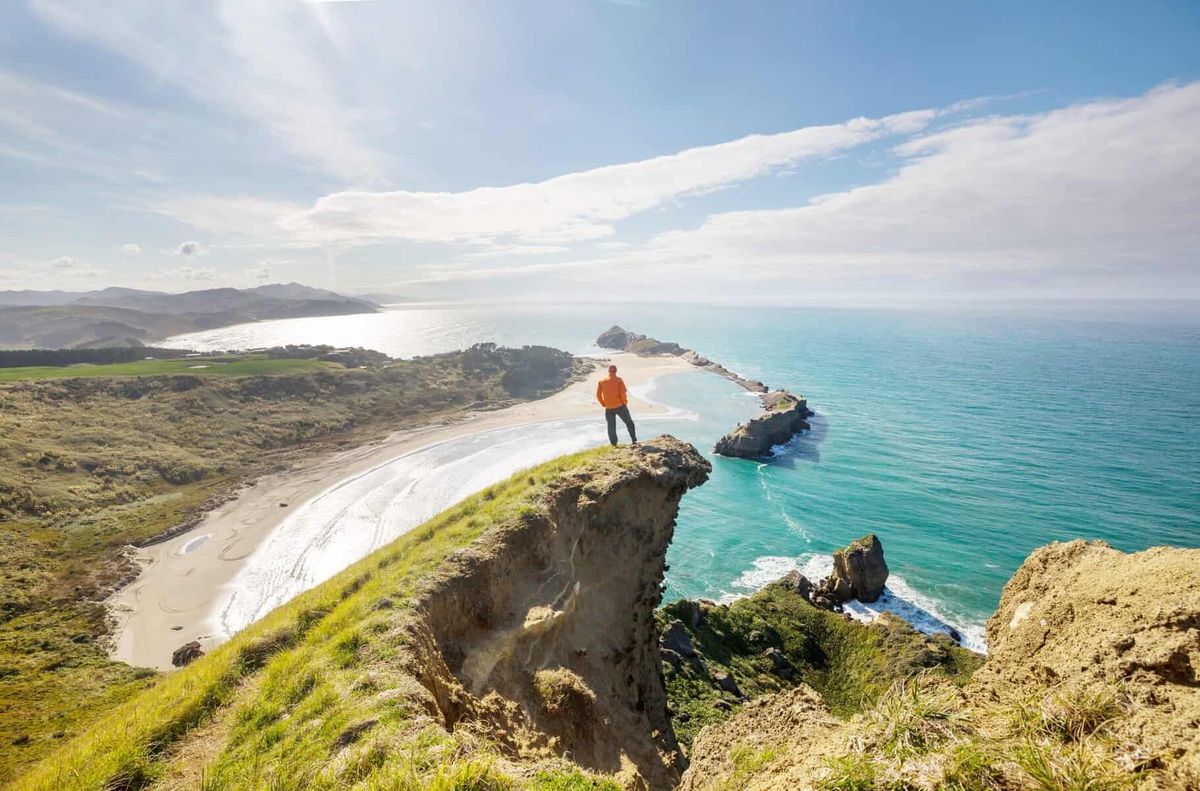
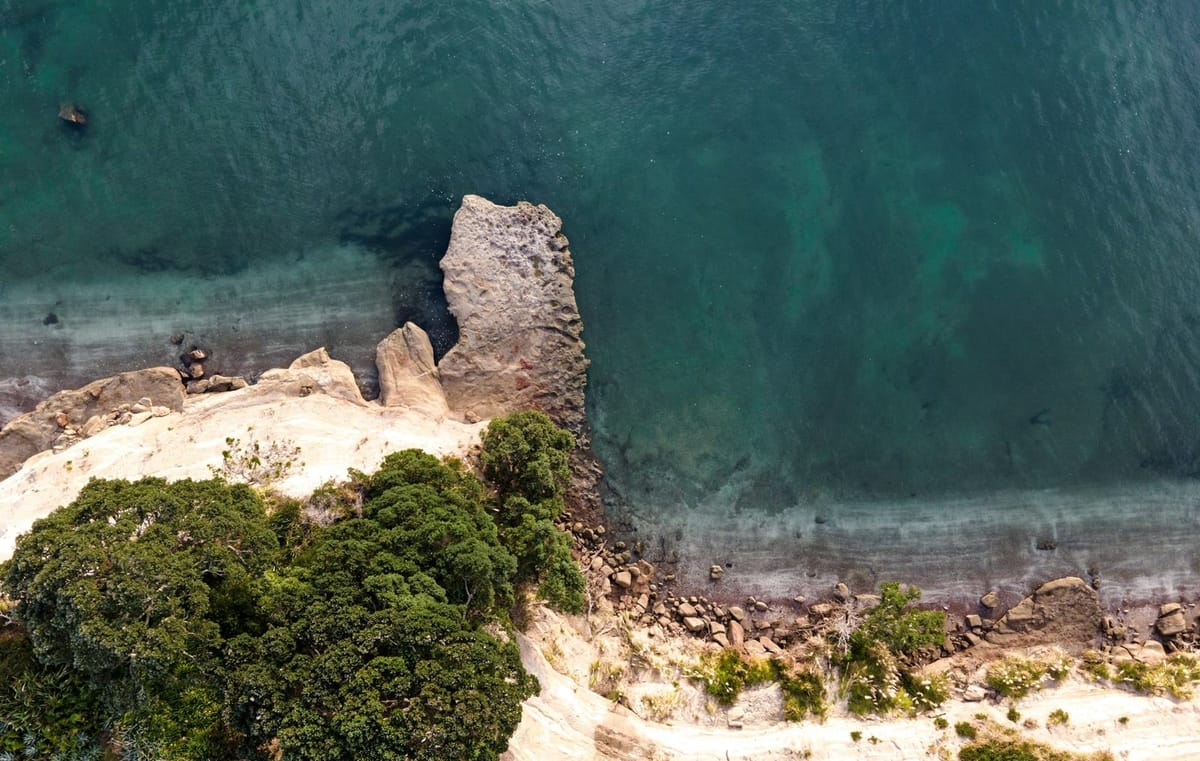
“Even now,” she said, “when I drive around the ten kilometres where we live and glance to the side, I see the ocean, and it looks like a postcard. I still haven’t got used to how stunning it is. I feel much more at home here than I ever did.”
Her advice is the simplest of the three families I’ve written about, and maybe the truest: be honest with yourself about what you actually want, and don’t let anyone talk you out of it, not because a goal looks far off, and not because no one you know has done it before.
If New Zealand has been a quiet “someday” in the back of your mind for years, it might be worth finding out where you really stand. You can read how I work, or just send me a few details, no pressure, no clock, the same way Andi and Matyi started.