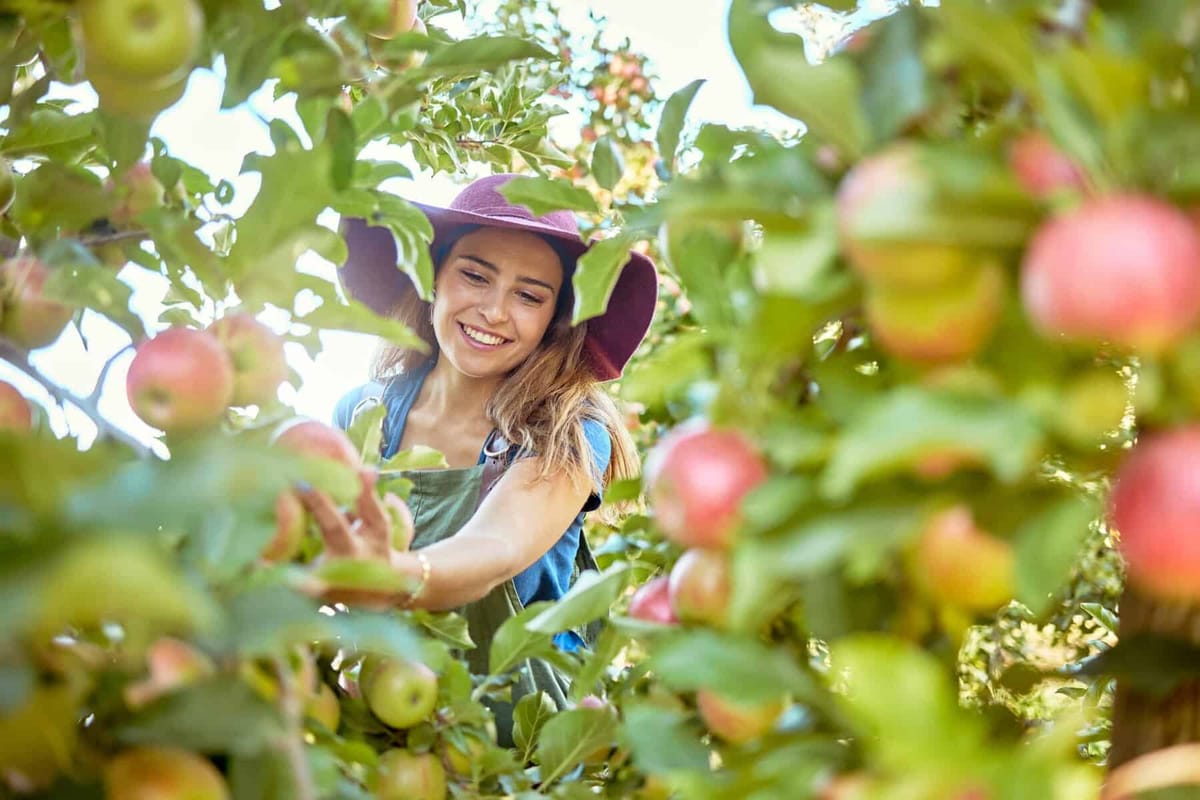
New Zealand has a big agricultural sector and a lot of seasonal work, which makes it a good fit if you are on a working holiday. The jobs help you fund your time there, and they put you out in parts of the country you might not see otherwise. A lot of working holidaymakers go for fruit picking, so that is what I will focus on here, with some honest notes on what the work is actually like.
A quick word before we start: I am not going to spell out the rules of the working holiday route here, because they change and they differ depending on where you are from. For the current eligibility, ages, and durations, always check the official source: Immigration New Zealand. What I can tell you about is the work itself.
Before the job hunt, the visa has to be in place, and if you are applying from Hungary the steps are specific enough to be worth reading separately: how to apply for a working holiday visa as a Hungarian.
The Fruit Picking Regions and Seasons
Different regions grow different things, so where you go shapes the kind of picking you do.
Northland has a warm climate and grows a lot of subtropical fruit. Waikato has a mix, including berries and vegetables. Bay of Plenty is big on kiwifruit and avocado. Hawke’s Bay is known for apples and stone fruit, and Wairarapa nearby is good picking country too. Marlborough gets a lot of sun, which suits grapes and cherries, while Nelson leans towards smaller, quality-focused growers. Otago is cooler, which is ideal for stone fruit like cherries and apricots.
There is farm work somewhere all year round, but if you want a specific job you need to line up your timing with the right season and region. The seasons in New Zealand run like this: summer is December to February, autumn March to May, winter June to August, and spring September to November.
It helps to know roughly when each fruit is harvested:
Kiwifruit: March to August, busiest from May to July.
Raspberries: December to June, busiest February to April.
Blueberries: December to March, busiest January and February.
Peaches: December to April, busiest January and February.
Through summer there is a lot going at once, including apples, apricots, and cherries. Other fruit and vegetables come in at their own times across the year, so it is worth checking what is ripe when you plan to be in a region.
Fruit picking does not need special training, but a few habits will help you get hired and keep the work.
Tips for Success
Apply early. Good jobs fill up fast around the peak weeks, so know the seasons and get in early. Searching online and joining working holiday groups on social media will turn up leads.
Do your homework on the employer. Two English backpackers, Luke and May, shared their story on TikTok about being let go on their first day at a strawberry farm in Masterton. The owner told it differently, but the point stands: be clear about what the job involves before you commit. Read reviews, ask questions, and pay attention to how an employer wants to be contacted. If they say email, use email; if they say call, call. Following their process is part of getting the job.
Physical Preparation
Picking is hard on the body, so being reasonably fit makes the days easier. Kiwi picking, for example, means carrying a bag that can weigh 20 to 30 kg when full. It hangs around your neck with no padding, so it is not comfortable, and you adjust the strap as you move between orchards through the day. Getting the fit right matters for comfort and for speed, and speed matters because the team’s pace affects what everyone earns.
Watch and learn. Spend some time watching the skilled pickers in your group and copy their technique. It helps a lot at the start.
Have a pattern. Work each tree or bush the same way so you do not waste time wondering where you have already been. Start on one side and move across.
Start from the top. On trees, pick the top first. If you clear the bottom first, the rest is harder, especially on a ladder with a full bag.
Use both hands. It sounds obvious, but two hands is faster than one. A lot of people start one-handed; switch early.
Place your ladder well. Take a second to set the ladder right. You reach more safely and you keep it out of other pickers’ way. You will get the feel for it quickly.
Keep at it. Speed comes with practice. You will see experienced pickers fly and wonder how. Give it time and you will get faster and earn more.
Weather Awareness
Weather can stop the work, especially with kiwifruit, where rain ends the day. If it is raining, the day is often called off, and if it starts during work you might get sent home. You usually get a text each morning telling you where to go.
A couple of tips: check the forecast each night. If rain is coming, push hard in the morning to make a decent day. And have a backup plan for the days that get cancelled, because they will happen. Staying flexible is the main thing.
Accommodation Strategy
Where you sleep makes a real difference to what you keep and how the whole trip feels. Your options vary a lot depending on how close the lodging is to the orchards, what is provided, and how long you are staying. Sleeping in your vehicle is cheap and lets you stay close to the work, but you give up most comforts. Renting a room is more comfortable and steady, but it costs more.
When you weigh it up, think about how close you are to work, because that saves time and transport money. Then be honest with yourself about which comforts you can do without and which ones you really need to feel okay day to day.
A bit of planning and research goes a long way here. Get the balance right between cost, convenience, and comfort, and the working holiday is both more enjoyable and easier on your budget.
Conclusion
Seasonal work like fruit picking is more than a pay packet. You are outdoors, you learn the rhythm of a harvest, and you see what it actually takes to get fruit from the orchard to the shop. If you are up for the physical side, it is a real way to earn while you travel, in a setting you will not find at a desk. And honestly, a lot of people remember these weeks for the people and the places as much as the work.